Explore Our Latest News & Articles
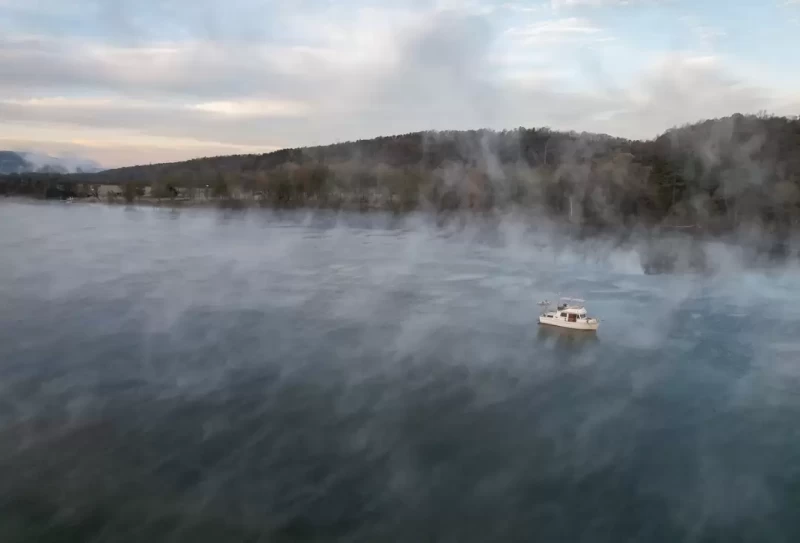
Cruising in cold weather can be daunting, and as previous full-time cruisers we had to be ready for any season. While we tried to be in Florida for the winter, we weren't always that lucky. In this article we'll be discussing what gear we recommend to not just survive, but thrive in cold weather, the clothing we recommend that actually kept us warm, and finally important safety and maintenance items to add to your checklist.
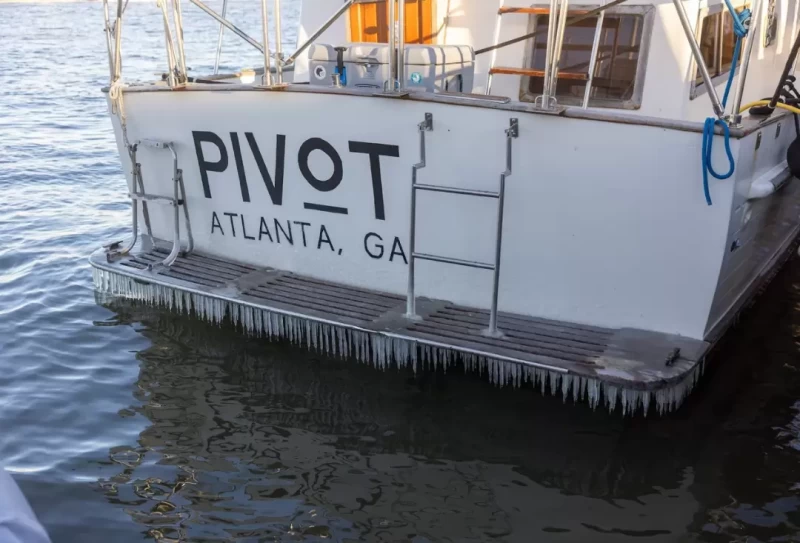
Starting with gear, the most important item for your boat will be a non-electric heater (diesel, gas, or propane). This is the one piece of gear that we didn't have but wish we did. Instead we only had an electric heater. While our electric heater would warm a berth at a marina, it would be too power hungry to run on anchor. We did install a diesel heater in our sprinter van and their effectiveness can't be understated. It kept us nice and toasty in 10?F this winter. It sips fuel so if we had installed it on our 300 gal fuel tank on our old Trawler we could have run it on anchor almost all year round! If you plan to be at a dock all winter, we would still recommend a diesel heater, but if you go with an electric heater make sure you are very careful about your electrical system. We had a short scare when our shore connection came undone at a dock as a result of a wake from a local boater, and our fuse malfunctioned - it was a good thing we were on board and awake to address the issue! With whichever non-electric heating system you have onboard, ensure you have carbon monoxide detectors in the appropriate locations.
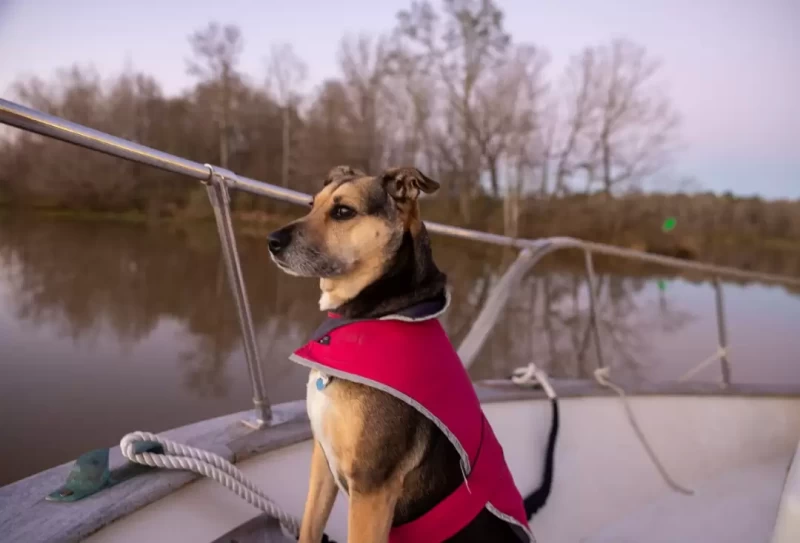
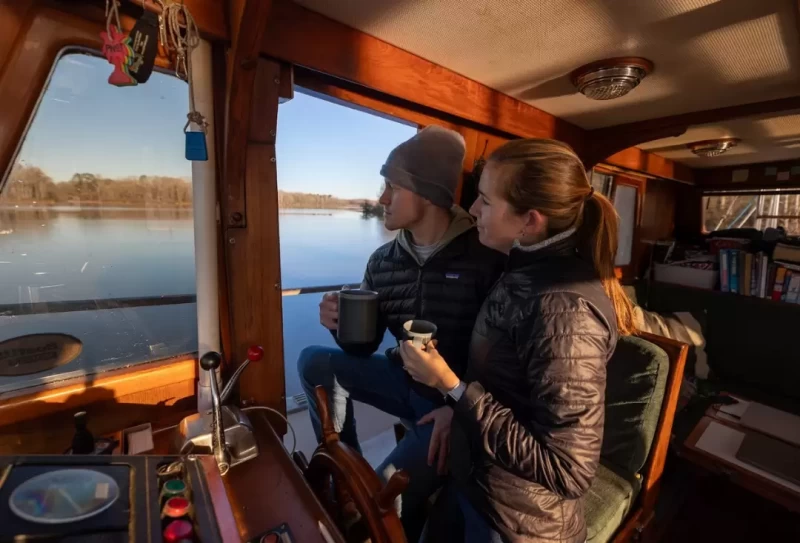
The other crucial part to enjoy cold weather cruising is having the right clothing! We like to say there's no bad weather, just bad clothing. Dressing for cold weather while cruising is all about layers. It's not rocket science, but there're three rules we like to follow.
- Have a thick waterproof outer layer that blocks the wind and can keep you warm. While cruising the wind direction and speed is what often makes the difference between hot and cold. You can find thick waterproof outer layers for specifically made boating and sailing or make do with a warm puffy down jacket and a rain jacket as a lower cost option.
- Prefer wool base layers. We like merino wool base layers because they are warm and naturally don't hold odor as much as cotton or synthetic layers.
- Focus on areas that dissipate heat. Ensure your head, hands, feet, and torso are all covered up. We always had wool socks, beanies, and gloves to keep these areas warm.
If you don't have any of these cold weather cruising pieces, we highly recommend searching second hand stores in colder locations!
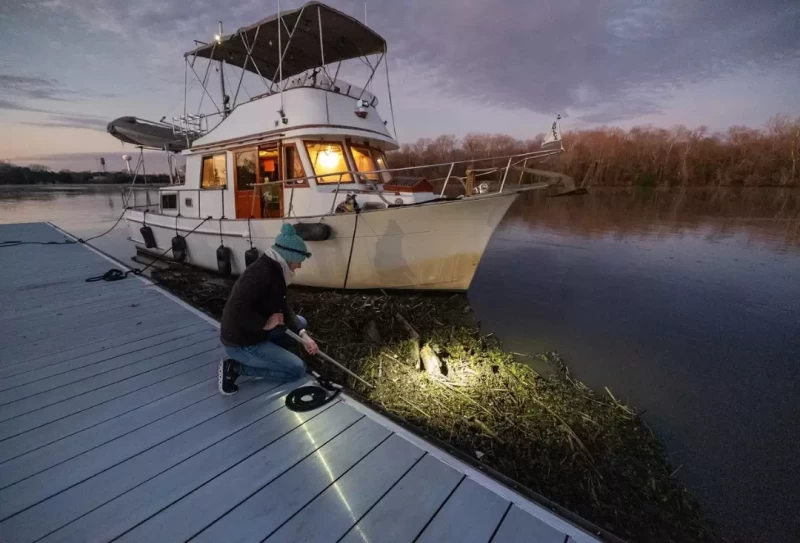
Lastly, when you're prepping for your next cold weather cruise don't skimp on safety and maintenance. In the brisk, chilly mornings, ice can easily top your deck, making slipping go from a possibility to a probability. It is extremely important to be careful when walking around on your deck. Depending on how cold you expect to cruise in, just like a house, you need to make sure your pipes don't freeze. Unfortunately, while we were at a marina during the coldest spell we saw, a boat further down the dock had a pipe burst and a bilge pump malfunction causing the boat to sink right at the dock. Practice extra caution around water lines and, as always, be vigilant if your bilge pump starts to run. Our last piece of advice regarding maintenance is to have a mold-prevention strategy. I can't say that we were experts, but good airflow is essential and white vinegar or bleach can be used to kill certain species.



- 4,000 Marinas
- Thousands of anchorages
- Updated Charts
- Mile-by-Mile Navigation
- Highlighted Alerts & Cautions
- Full-Color Aerial Photographs
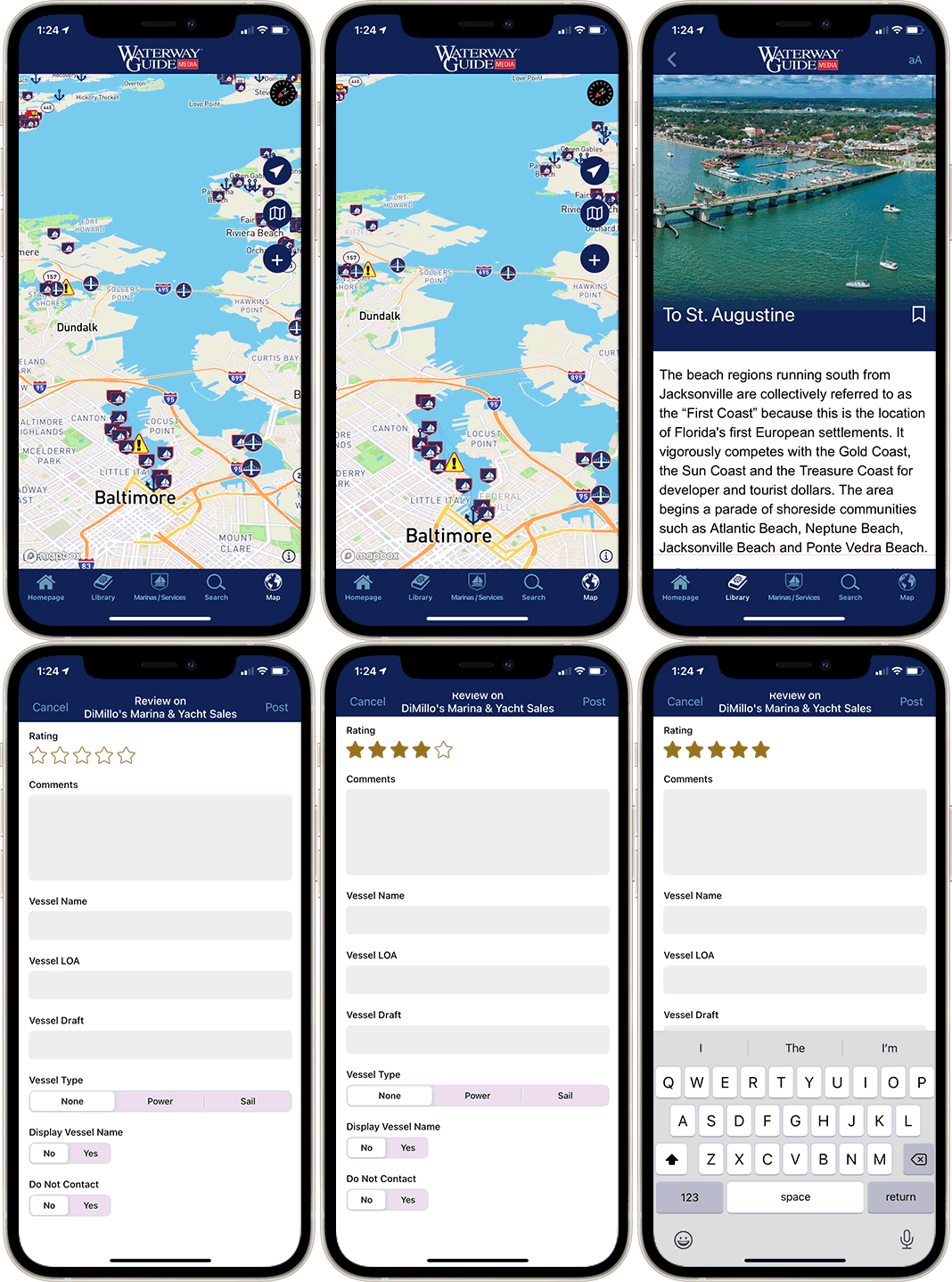
The Waterway Guide App Makes it easy to leave reviews, use our explorer, and view waterway guide materials all on the go!