Explore Our Latest News & Articles
On extended cruises, fuel planning influences nearly every decision underway. From route selection to daily run lengths, a clear understanding of fuel range, availability, and contingency options is essential to safe and efficient cruising. Thoughtful fuel planning provides the foundation for informed decision making on the water.
The following considerations reflect best practices used by experienced cruisers when planning fuel stops over longer distances.
Understanding Your True Range
Effective fuel planning begins with an accurate understanding of your vessel's fuel consumption. Manufacturer estimates are often optimistic and do not account for variables such as current, wind, sea state, vessel load, or generator use.
Cruisers should calculate real-world fuel burn at multiple operating speeds to establish a conservative usable range. Maintaining a reserve margin between 20% and 30% is standard practice and allows for unexpected delays or detours.
Plan Fuel Stops Before You Need Them
Fuel stops should be identified well in advance, not when tanks are approaching empty. Experienced cruisers typically plan multiple fueling options along a route, prioritizing locations that allow flexibility is weather, traffic, or mechanical considerations require adjustments.
When evaluating fuel stops, factors such as approach conditions, operating hours, and dock layout are just as important as location alone.
Account for Regional Variability
Fuel availability and pricing can vary significantly between regions. Remote or less-trafficked waterways may offer fewer fueling options, limited hours, or higher prices. Seasonal demand can also affect availability.
Understanding the regional differences of where you are cruising allows you to adjust routing, timing, and fuel load accordingly, reducing the risk of last-minute compromises.
Factor in Price Without Letting it Drive Risk
Fuel cost is an important considerations especially on extended trips, but it should never override safety or range requirements. Choosing a fuel stop based solely on price can lead to longer runs, reduced reserve margins, or difficult approaches.
To plan effectively, consider price alongside distance, accessibility, and operational reliability.
Use Reliable, Current Information
Accessing up-to-date information that is accurate is essential for effective fuel planning. The Waterway Guide Mobile App supports this process by displaying real-time prices directly within the map view, enabling you to evaluate fuel options along your route, compare locations efficiently, and plan fuel stops while maintaining appropriate safety margins. Learn more about Waterway Guide's Mobile App fuel pricing.
Build Contingencies Into Every Plan
Extended cruising rarely unfolds exactly as planned. Weather changes, mechanical issues happen, and unanticipated delays are part of life on the water. Fuel plans should always include alternatives so you can adapt without pressure.
Fuel Planning is the Foundation for Confident Cruising
Successful fuel planning is not about stretching range to its limits, but about creating flexibility while underway. When fuel stops are planned thoughtfully and supported by accurate information, cruisers can gain the freedom to adjust their route, timing, and pace as conditions dictate.


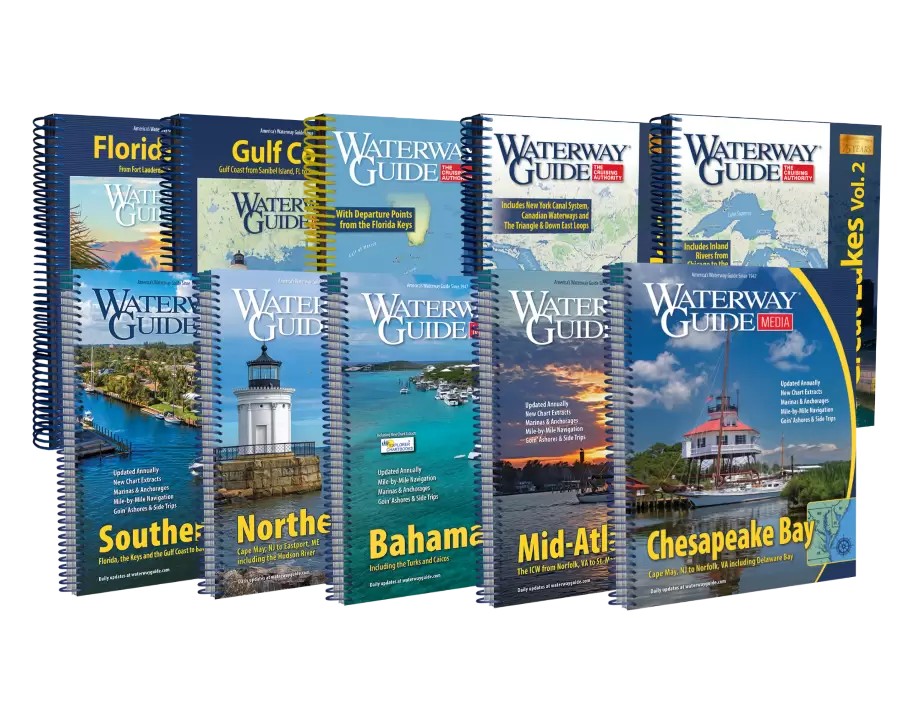
- 4,000 Marinas
- Thousands of anchorages
- Updated Charts
- Mile-by-Mile Navigation
- Highlighted Alerts & Cautions
- Full-Color Aerial Photographs
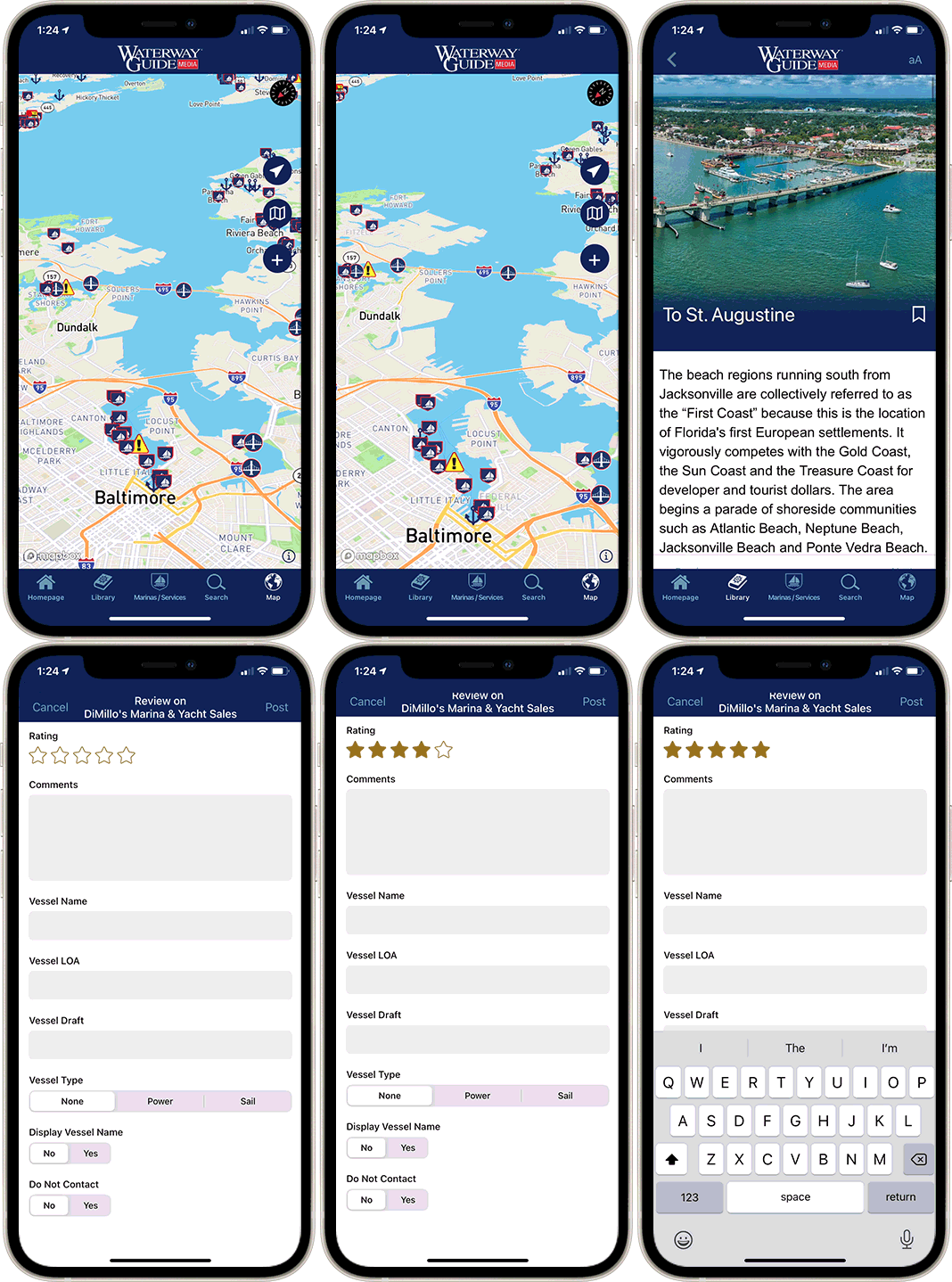
The Waterway Guide App Makes it easy to leave reviews, use our explorer, and view waterway guide materials all on the go!